
MIT Music & Theater Arts
Three new websites for three phenomenal programs.
Music at MIT
MIT Music develops students’ creativity, talent, research skills, and aesthetic sensibility through performance, composition, analysis, and the study of music in its historical and cultural contexts. The program encompasses a broad range of musical traditions including classical, folk, pop, jazz, and global music spanning diverse eras and cultures.

Music Technology at MIT
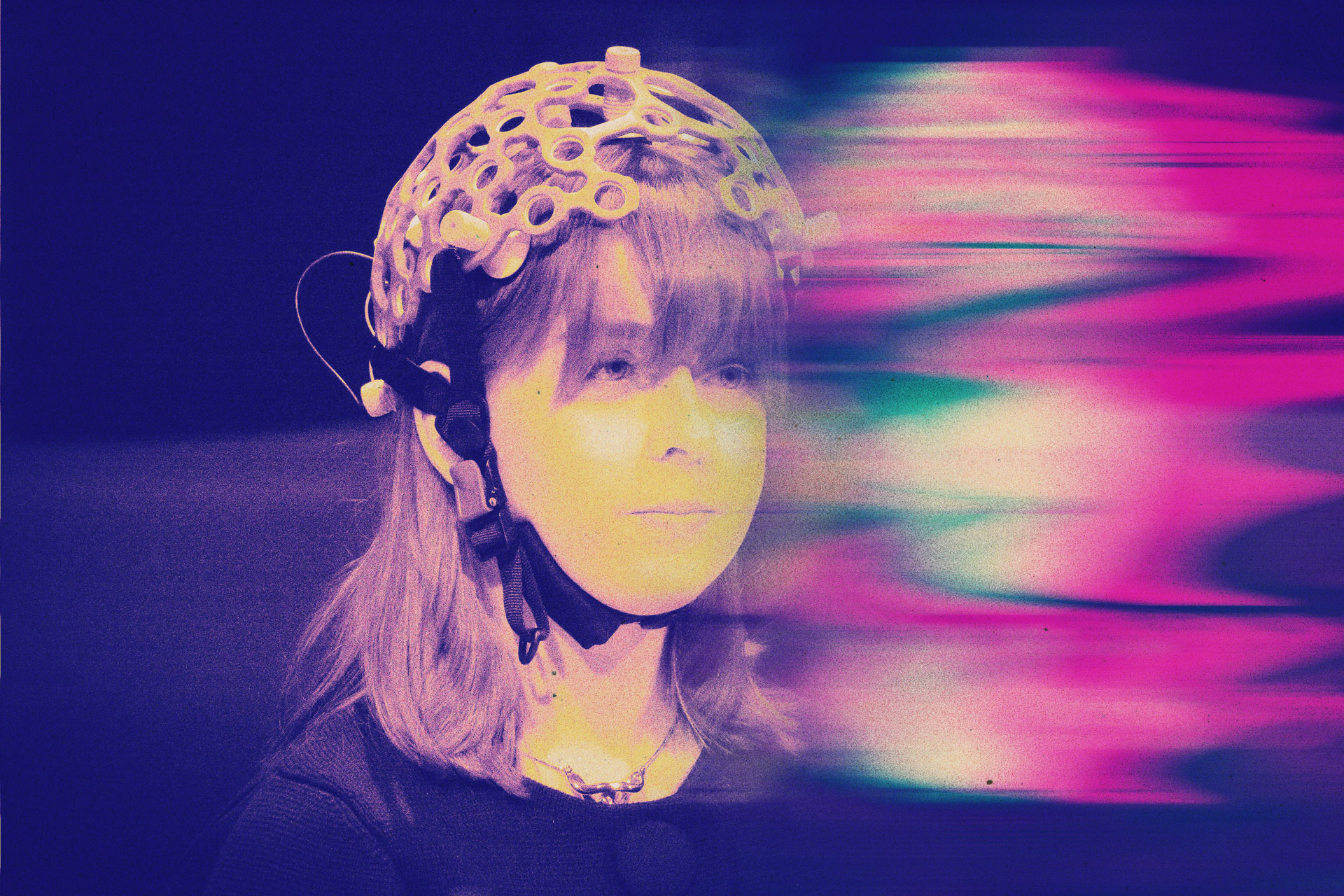
MIT Music Technology is a truly multidisciplinary field of study that bridges science, engineering, and the arts while always centering the humanistic and artistic aspects of making music. The program conducts research and offers classes in audio signal processing, music and AI, musical acoustics and audio effects, interactive music systems, electronic music composition, and digital instrument design.
Theater at MIT
MIT Theater activates performance as a vital lens for questioning, understanding, and creatively responding to the complex forces that shape our world. The program invites students to engage with theater as an inherently interdisciplinary practice through its subjects, collaborations, and production opportunities that bridge artistic, scholarly, and technological inquiry.